Understanding Different Types of Firewalls
Introduction to Firewalls
In an increasingly interconnected world, safeguarding digital assets has become more critical than ever. Firewalls, a fundamental component of network security, serve as the frontline defense against cyber threats. Understanding the types of firewalls and their roles is essential for anyone looking to protect their network from malicious activities.
Definition and Importance
A firewall, in its simplest form, is a network security device that monitors and filters incoming and outgoing network traffic based on an organization's previously established security policies. Its primary purpose is to create a barrier between a trusted internal network and untrusted external networks, such as the internet.
The importance of firewalls cannot be overstated. They are crucial in:
- Preventing Unauthorized Access: Firewalls act as gatekeepers, blocking unauthorized users from accessing private networks.
- Monitoring Traffic: They continuously analyze network traffic, identifying and blocking potential threats.
- Protecting Sensitive Data: By preventing breaches, firewalls help protect sensitive and confidential information.
- Ensuring Compliance: Many industries have regulatory requirements that mandate the use of firewalls to ensure data security.
Historical Background
The concept of firewalls has evolved significantly since their inception. Let's take a brief look at their historical development:
Early Days of Network Security
In the late 1980s, as the internet began to expand, the first generation of firewalls, known as packet filters, was introduced. These basic firewalls inspected packets of data being transferred between computers and decided whether to allow or block them based on predefined rules. While simple, packet filters provided a foundation for future advancements.
The Rise of Stateful Inspection
By the mid-1990s, stateful inspection firewalls emerged. Unlike their predecessors, these firewalls could track the state of active connections and make more informed decisions based on the context of the traffic. This innovation significantly enhanced security and performance.
The Advent of Proxy Firewalls
Proxy firewalls, which operate at the application layer, gained popularity in the late 1990s. These firewalls act as intermediaries between end-users and the services they access, providing an additional layer of security by masking the identities of internal network users.
The Era of Next-Generation Firewalls
In the 2000s, the introduction of next-generation firewalls (NGFWs) revolutionized network security. NGFWs combine traditional firewall functionalities with advanced features such as deep packet inspection, intrusion prevention systems (IPS), and application awareness. This comprehensive approach allows for more granular control and protection against modern threats.
Firewalls remain a cornerstone of network security, evolving to meet the ever-changing landscape of cyber threats. Understanding the types of firewalls and their historical development provides valuable insights into how these essential tools protect our digital world. By implementing the right firewall solutions, organizations can safeguard their networks, protect sensitive data, and ensure compliance with regulatory standards.
To fully grasp the importance and functionality of firewalls, it's crucial to dive into the specifics of each type. Each type of firewall offers unique features and capabilities, making them suitable for different security needs and scenarios. Here, we explore the main types of firewalls, detailing their characteristics and benefits.
Packet-Filtering Firewalls: A Closer Look
How They Work
Packet-filtering firewalls represent one of the earliest and simplest forms of network defense mechanisms. These firewalls operate at the network layer and make decisions based on a set of rules predefined by the network administrator. The rules specify whether to allow or block traffic based on criteria such as source and destination IP addresses, ports, and protocols.
When a packet arrives at the firewall, it checks the header against these rules. If the packet matches an allow rule, it is permitted to pass through; if it matches a block rule, it is dropped. This process happens quickly, as the firewall only examines the header information and does not delve into the packet's content.
Advantages and Disadvantages
Packet-filtering firewalls offer several benefits and drawbacks, making them suitable for certain scenarios but not others.
Advantages
- Simplicity: Their straightforward design makes them easy to configure and manage, which is ideal for small networks or environments with minimal security requirements.
- Efficiency: Because they only inspect the header of each packet, packet-filtering firewalls can process traffic very quickly, resulting in minimal latency.
- Resource-Light: These firewalls require less memory and processing power compared to more complex types of firewalls, making them a cost-effective solution for basic security needs.
Disadvantages
- Limited Security: Packet-filtering firewalls do not inspect the payload of the packet, leaving them vulnerable to attacks that exploit higher layers of the OSI model.
- Lack of Context Awareness: They cannot track the state of connections, making them less effective at detecting sophisticated threats such as session hijacking or IP spoofing.
- Rule Complexity: As network environments grow and become more complex, managing the rules for packet-filtering firewalls can become cumbersome and error-prone.
Use Cases
Despite their limitations, packet-filtering firewalls are still widely used in various scenarios where their simplicity and speed are advantageous.
- Small Business Networks: For small businesses with straightforward security needs, packet-filtering firewalls offer an affordable and easy-to-manage solution.
- Perimeter Defense: These firewalls can serve as a first line of defense at the network perimeter, blocking obvious threats before they reach more sophisticated security layers.
- Low-Risk Environments: In environments where the risk of sophisticated attacks is low, packet-filtering firewalls provide a cost-effective means of controlling traffic flow.
While packet-filtering firewalls may not offer the comprehensive protection of more advanced types of firewalls, their simplicity and efficiency make them a valuable component in many network security architectures.
Stateful Inspection Firewalls: Enhancing Network Security
Mechanism of Action
Stateful inspection firewalls, also known as dynamic packet filtering firewalls, represent a significant evolution in firewall technology. Unlike their packet-filtering counterparts, stateful inspection firewalls operate at both the network and transport layers, providing a more sophisticated approach to traffic management. These firewalls monitor the state of active connections and make decisions based on the context of the traffic, not just individual packets.
When a packet arrives, the firewall checks the packet header information and consults a state table that keeps track of the state of all active connections. This allows the firewall to determine whether the packet is part of an established connection or a new connection. If it's part of an established connection, the packet is allowed through. If it's a new connection, the firewall applies its security rules to decide whether to allow or block the packet.
 Protect data from leaks on endpoints, in LANs, in the cloud, and in virtual environments.
Monitor even highly secure channels for leaks (Telegram, WhatsApp, Viber, etc.
Detailed archiving of incidents.
Safeguard remote workers using Zoom, RDP, TeamViewer, and other services for remote work or access.
Protect data from leaks on endpoints, in LANs, in the cloud, and in virtual environments.
Monitor even highly secure channels for leaks (Telegram, WhatsApp, Viber, etc.
Detailed archiving of incidents.
Safeguard remote workers using Zoom, RDP, TeamViewer, and other services for remote work or access.
Pros and Cons
Stateful inspection firewalls offer numerous benefits, but they also come with some trade-offs. Understanding these pros and cons can help organizations decide whether this type of firewall is suitable for their security needs.
Pros
- Enhanced Security: By tracking the state of network connections, stateful inspection firewalls provide a higher level of security compared to packet-filtering firewalls. This allows them to detect and block more sophisticated attacks, such as session hijacking and IP spoofing.
- Context-Aware Decisions: These firewalls can make more informed decisions by considering the context of the traffic, such as the state of the connection and the history of previous packets. This reduces the likelihood of false positives and improves overall security.
- Reduced Management Complexity: Stateful inspection firewalls often require fewer rules than packet-filtering firewalls, making them easier to manage and less prone to configuration errors.
Cons
- Resource Intensive: Because they need to maintain state information for all active connections, stateful inspection firewalls can be more resource-intensive than packet-filtering firewalls. This can lead to higher costs for hardware and potentially impact performance in high-traffic environments.
- Potential Latency: The additional processing required to maintain state information and make context-aware decisions can introduce some latency, which might be a concern for performance-sensitive applications.
- Complexity: While they simplify rule management, stateful inspection firewalls themselves are more complex and may require more expertise to configure and maintain effectively.
Real-World Applications
Stateful inspection firewalls are widely used in various scenarios, thanks to their ability to provide robust security and manage complex traffic patterns. Here are some common applications:
- Enterprise Networks: Large organizations with complex networks and significant security requirements often rely on stateful inspection firewalls to protect their internal systems from external threats.
- Financial Institutions: Banks and financial services companies, which handle sensitive customer data and are frequent targets of cyber-attacks, benefit from the enhanced security provided by stateful inspection firewalls.
- E-commerce Platforms: Online retailers, which must secure payment transactions and protect customer information, use stateful inspection firewalls to ensure secure and reliable operations.
- Data Centers: In environments where multiple services and applications are hosted, stateful inspection firewalls help maintain security by monitoring and controlling traffic between different segments of the network.
Stateful inspection firewalls are a powerful tool in the arsenal of network security. Their ability to track the state of connections and make context-aware decisions provides a significant advantage over simpler types of firewalls. While they require more resources and expertise, the benefits they offer in terms of security and ease of management make them a valuable investment for many organizations.
Proxy Firewalls: Shielding Your Network with Application-Level Gateways
Working Principle
Proxy firewalls, also known as application-level gateways, represent a sophisticated and highly secure type of firewall technology. Unlike packet-filtering or stateful inspection firewalls, proxy firewalls operate at the application layer, providing an intermediary between internal users and external networks. When a user makes a request to access an external site or service, the request is first directed to the proxy firewall. The firewall then evaluates the request, applies the necessary security policies, and forwards the request to the destination if it is deemed safe.
One of the key features of proxy firewalls is their ability to inspect the content of traffic at a granular level. They can analyze the actual data being transmitted, including the contents of web pages, emails, and files. This deep inspection capability allows proxy firewalls to identify and block malicious content that might go undetected by other types of firewalls.
Benefits and Limitations
Proxy firewalls offer a robust set of advantages, but they also come with certain limitations. Understanding these can help organizations decide if a proxy firewall is the right choice for their security needs.
Benefits
- Deep Packet Inspection: Proxy firewalls can scrutinize the content of data packets at a very detailed level, identifying and blocking malware, spyware, and other malicious content.
- User Anonymity: By acting as an intermediary, proxy firewalls can mask the identity and IP address of internal users, adding an extra layer of privacy and security.
- Access Control: These firewalls provide granular control over what applications and services users can access, enhancing overall network security.
- Content Caching: Proxy firewalls can cache frequently accessed web content, reducing bandwidth usage and improving access speeds for users.
Limitations
- Performance Overhead: The detailed inspection and analysis performed by proxy firewalls can introduce latency and reduce overall network performance, especially in high-traffic environments.
- Complex Configuration: Setting up and maintaining a proxy firewall can be more complex compared to other types of firewalls, requiring specialized knowledge and skills.
- Compatibility Issues: Some applications and services may not work correctly with a proxy firewall in place, necessitating additional configuration or exceptions.
Implementation Scenarios
Proxy firewalls are particularly useful in scenarios where security and control over application-level traffic are paramount. Here are some common implementation scenarios:
- Corporate Networks: Large organizations use proxy firewalls to monitor and control employee internet usage, block access to malicious sites, and protect sensitive data.
- Educational Institutions: Schools and universities deploy proxy firewalls to filter inappropriate content and protect students from online threats.
- Government Agencies: Agencies that handle sensitive information use proxy firewalls to ensure data security and compliance with regulatory standards.
- Healthcare Organizations: Proxy firewalls help healthcare providers secure patient data and comply with health information privacy regulations.
- Remote Work Environments: With the rise of remote work, proxy firewalls can secure remote connections to the corporate network, ensuring that employees access resources safely.
Proxy firewalls, or application-level gateways, play a crucial role in modern network security. Their ability to deeply inspect traffic, provide user anonymity, and enforce strict access controls makes them invaluable in many high-security environments. While they require more resources and expertise to manage, the benefits they offer in terms of security and control make them a worthwhile investment for organizations committed to protecting their digital assets.
Next-Generation Firewalls (NGFW): The Future of Network Security
Features and Capabilities
Next-Generation Firewalls (NGFWs) represent the cutting edge of firewall technology, combining traditional firewall functions with advanced security features to protect against a wide array of cyber threats. NGFWs operate at the application layer and are designed to provide comprehensive network security by integrating multiple functionalities into a single device.
Key Features of NGFWs:
- Deep Packet Inspection (DPI): Unlike traditional firewalls that only examine packet headers, NGFWs analyze the payload of each packet, allowing them to detect and block malicious content.
- Application Awareness: NGFWs can identify and control applications regardless of the port, protocol, or IP address used, providing granular control over application traffic.
- Intrusion Prevention System (IPS): These firewalls include built-in IPS capabilities, which help detect and prevent known and unknown threats by analyzing network traffic patterns.
- Advanced Threat Protection: NGFWs offer features like sandboxing and malware detection, allowing them to identify and mitigate sophisticated threats.
- User Identity Integration: By integrating with directory services, NGFWs can enforce policies based on user identity, enhancing security and management.
- SSL/TLS Inspection: NGFWs can decrypt and inspect encrypted traffic, ensuring that threats hidden within SSL/TLS traffic are detected and blocked.
Comparison with Traditional Firewalls
When comparing NGFWs to traditional types of firewalls, the differences are stark. Traditional firewalls focus on packet filtering, which involves examining the headers of packets and making decisions based on predefined rules. While effective for basic security needs, this approach is limited in its ability to detect and respond to sophisticated threats.
Traditional Firewalls
- Basic Packet Filtering: Traditional firewalls inspect only the headers of packets and make decisions based on predefined rules.
- Stateful Inspection: They keep track of active connections and ensure packets are part of a legitimate session.
- Limited Visibility: Traditional firewalls lack the ability to inspect encrypted traffic or provide deep packet analysis.
Next-Generation Firewalls
- Comprehensive Packet Analysis: NGFWs perform deep packet inspection, analyzing the entire packet for threats.
- Application Control: They can identify and manage applications running on the network, regardless of the port or protocol.
- Integrated Security Functions: NGFWs combine multiple security features, such as IPS, advanced threat protection, and SSL inspection, into a single device.
- User-Based Policies: They can enforce security policies based on user identity, providing more granular control.
Industry Examples
Next-Generation Firewalls have become essential across various industries due to their robust security capabilities. Here are some examples of how different sectors utilize NGFWs:
- Financial Services: Banks and financial institutions use NGFWs to protect sensitive financial data and ensure compliance with stringent regulatory requirements. These firewalls help detect and prevent sophisticated cyber-attacks, ensuring the security of online banking platforms.
- Healthcare: NGFWs are critical in the healthcare industry, where protecting patient data is paramount. They provide advanced threat protection, ensuring compliance with health information privacy regulations like HIPAA.
- Education: Educational institutions deploy NGFWs to safeguard student and faculty information, manage internet usage, and protect against cyber threats. The application awareness feature helps schools block inappropriate content and ensure a safe online environment.
- Retail: Retailers use NGFWs to secure point-of-sale systems and protect customer payment information. These firewalls help prevent data breaches and ensure compliance with payment card industry (PCI) standards.
- Government: Government agencies rely on NGFWs to protect sensitive information and maintain national security. The advanced security features of NGFWs help defend against cyber espionage and other threats.
Next-Generation Firewalls represent a significant advancement in the types of firewalls available today. Their advanced features, such as deep packet inspection, application awareness, and integrated intrusion prevention systems, provide a robust security framework capable of addressing modern cyber threats. By offering enhanced security, granular control, and simplified management, NGFWs are an essential component of a comprehensive network security strategy.
Unified Threat Management Firewalls: Comprehensive Protection in One Package
Comprehensive Security Features
Unified Threat Management (UTM) firewalls are an all-in-one solution designed to provide comprehensive security for networks. Unlike traditional types of firewalls that focus solely on filtering traffic based on IP addresses and ports, UTM firewalls combine multiple security features into a single, cohesive system. This integration offers a streamlined approach to network security, making it easier for organizations to manage and protect their digital assets.
Key Features of UTM Firewalls
UTM firewalls typically include a variety of security functions such as:
- Firewall: Traditional packet filtering and stateful inspection capabilities to monitor and control network traffic.
- Intrusion Detection and Prevention Systems (IDS/IPS): Detect and block malicious activities and potential threats.
- Antivirus and Anti-Malware: Protect against viruses, malware, and other malicious software.
- Content Filtering: Control access to inappropriate or harmful web content.
- Spam Filtering: Block unwanted and potentially harmful email messages.
- Virtual Private Network (VPN): Secure remote access to the network for employees working off-site.
- Application Control: Manage and control the use of applications within the network.
Advantages Over Standalone Solutions
UTM firewalls offer several advantages compared to using standalone security solutions. The integration of multiple security features into one device simplifies management and enhances overall protection.
Unified Management
One of the most significant benefits of UTM firewalls is the ability to manage all security functions from a single interface. This unified management approach reduces the complexity associated with maintaining multiple standalone solutions. IT administrators can monitor and control network security more efficiently, leading to quicker response times and better overall security posture.
Cost-Effectiveness
Implementing a UTM firewall can be more cost-effective than deploying individual security solutions. By consolidating security functions into a single device, organizations can reduce hardware costs and simplify their IT infrastructure. This integration also reduces the need for multiple licenses and maintenance contracts, resulting in lower overall expenses.
Enhanced Security
UTM firewalls provide enhanced security by integrating various types of firewalls and other security technologies into one comprehensive system. This holistic approach ensures that all aspects of network security are covered, from intrusion prevention to content filtering. The synergy between different security functions within a UTM firewall can lead to better detection and mitigation of threats.
Scalability and Flexibility
As organizations grow, their security needs evolve. UTM firewalls are designed to be scalable and flexible, allowing businesses to add or modify security features as needed. This adaptability makes UTM firewalls an ideal choice for organizations of all sizes, from small businesses to large enterprises.
Popular UTM Solutions
Several UTM solutions have gained popularity for their robust features and reliable performance. Here are a few notable examples:
- Fortinet FortiGate: Known for its high-performance security capabilities, FortiGate offers comprehensive protection with advanced threat detection and prevention features.
- Sophos XG Firewall: This UTM solution is praised for its user-friendly interface and powerful security tools, including deep packet inspection and synchronized security.
- Cisco Meraki MX: Meraki MX provides cloud-managed security with a focus on ease of use and scalability, making it a popular choice for businesses with distributed networks.
- WatchGuard Firebox: WatchGuard Firebox combines enterprise-grade security features with simplified management, offering a reliable solution for small to mid-sized businesses.
- SonicWall TZ Series: The TZ Series is known for its comprehensive security features and high performance, making it suitable for small to medium-sized enterprises.
Unified Threat Management firewalls represent a significant advancement in network security by integrating multiple security features into a single, cohesive system. This approach not only simplifies management and reduces costs but also enhances overall security by providing comprehensive protection against a wide range of threats.
Cloud Firewalls: Securing the Digital Frontier
How Cloud-Based Firewalls Operate
As organizations increasingly migrate their operations to the cloud, the need for robust security measures has never been more critical. Cloud firewalls, a modern type of firewall, are designed to protect cloud environments from cyber threats. Unlike traditional firewalls that are hardware-based, cloud firewalls operate entirely in the cloud, providing scalable and flexible security solutions.
Cloud firewalls function by filtering and monitoring traffic between an organization's on-premises infrastructure and their cloud services. They leverage advanced technologies such as deep packet inspection (DPI) and machine learning to detect and block malicious activities. By integrating with cloud service providers, cloud firewalls offer seamless protection across multiple environments, ensuring consistent security policies regardless of the infrastructure.
Benefits of Cloud Firewalls
Cloud firewalls bring numerous advantages to organizations, making them a vital component of modern network security strategies. Here are some key benefits:
Scalability and Flexibility
One of the most significant advantages of cloud firewalls is their scalability. Traditional types of firewalls often require substantial investment in hardware and infrastructure to handle increased traffic. In contrast, cloud firewalls can effortlessly scale up or down based on the organization's needs, providing cost-effective and flexible security solutions.
Centralized Management
Managing security across multiple locations and cloud services can be challenging. Cloud firewalls offer centralized management, allowing administrators to enforce consistent security policies across all environments. This unified approach simplifies administration and ensures that security measures are uniformly applied, reducing the risk of configuration errors.
Enhanced Security
Cloud firewalls utilize advanced threat detection technologies, including artificial intelligence and machine learning, to identify and mitigate threats in real-time. These capabilities enable cloud firewalls to adapt to evolving threats, providing robust protection against sophisticated cyber-attacks. Additionally, cloud firewalls can analyze vast amounts of data quickly, offering comprehensive visibility into network traffic and potential vulnerabilities.
Cost-Effectiveness
Deploying and maintaining traditional firewalls can be expensive, involving significant hardware and operational costs. Cloud firewalls eliminate the need for physical appliances, reducing capital expenditure. Organizations can benefit from a pay-as-you-go model, where they only pay for the resources they use, making cloud firewalls a cost-effective solution for businesses of all sizes.
Integration with Cloud Services
Seamless integration with cloud services is a critical feature of cloud firewalls. These types of firewalls are designed to work harmoniously with various cloud platforms, including Amazon Web Services (AWS), Microsoft Azure, and Google Cloud Platform (GCP). This integration ensures that security policies are consistently applied across all cloud environments, providing a unified security posture.
AWS Integration
Amazon Web Services offers AWS WAF (Web Application Firewall), a cloud firewall designed to protect web applications from common threats such as SQL injection and cross-site scripting. AWS WAF integrates seamlessly with other AWS services, allowing organizations to create custom security rules and automate responses to detected threats.
Microsoft Azure Integration
Azure Firewall is a managed, cloud-based network security service that protects Azure Virtual Network resources. It provides comprehensive protection by enforcing security policies across multiple subscriptions and virtual networks. Azure Firewall supports both application and network-level filtering, ensuring robust protection against a wide range of threats.
Google Cloud Platform Integration
Google Cloud Platform offers Cloud Armor, a cloud firewall service designed to protect applications from DDoS attacks and other web-based threats. Cloud Armor integrates with GCP services, providing advanced security features such as IP blacklisting, geolocation-based access control, and rate limiting.
Cloud firewalls represent a significant advancement in the types of firewalls available today. Their scalability, centralized management, enhanced security, and cost-effectiveness make them an ideal choice for organizations looking to protect their cloud environments. By integrating seamlessly with major cloud service providers, cloud firewalls ensure that security policies are consistently enforced, providing robust protection against modern cyber threats.
Virtual Firewalls: Guarding the Virtual Realm
Role in Virtual Environments
In today's increasingly digital landscape, virtual firewalls have emerged as a critical component in securing virtualized environments. Unlike traditional types of firewalls that are hardware-based, virtual firewalls are software-based solutions designed to protect virtual machines (VMs) and virtual networks. As organizations continue to adopt virtualization technologies to optimize their IT infrastructure, the role of virtual firewalls becomes ever more crucial.
Virtual firewalls operate within hypervisors and virtualized platforms, providing security controls that are as effective as their physical counterparts. They offer the same level of protection but with the added benefits of flexibility and scalability that are inherent to software-based solutions. By securing traffic between VMs and within virtual networks, virtual firewalls ensure that virtual environments are protected against internal and external threats.
Key Features
Virtual firewalls come equipped with a range of features that make them suitable for protecting modern virtualized environments. Here are some of the key features that distinguish virtual firewalls from other types of firewalls:
Segmentation and Isolation
Virtual firewalls enable micro-segmentation, a security technique that divides a virtual network into smaller, isolated segments. This ensures that even if one segment is compromised, the threat does not spread to other parts of the network. By isolating workloads, virtual firewalls provide robust security controls and minimize the attack surface.
Granular Traffic Control
Virtual firewalls offer granular control over network traffic. They can enforce security policies at the virtual network interface level, allowing administrators to specify which types of traffic are allowed or denied. This fine-tuned control helps in preventing unauthorized access and mitigating potential threats.
Integrated Threat Detection
Many virtual firewalls come with integrated threat detection and prevention capabilities. They can identify and block malicious activities in real-time, protecting virtual environments from malware, ransomware, and other cyber threats. These features often include intrusion detection systems (IDS) and intrusion prevention systems (IPS), providing comprehensive security coverage.
Scalability and Flexibility
One of the significant advantages of virtual firewalls is their scalability. Organizations can easily scale their security measures up or down based on their needs without investing in additional hardware. This flexibility ensures that virtual firewalls can adapt to changing network demands and continue to provide robust security.
Deployment Scenarios
Virtual firewalls are versatile and can be deployed in various scenarios to secure virtualized environments. Here are some common deployment scenarios where virtual firewalls play a vital role:
Cloud Environments
As organizations move their workloads to the cloud, virtual firewalls provide essential security controls to protect cloud-based applications and data. They ensure secure communication between cloud services and on-premises infrastructure, enabling hybrid cloud security.
Data Centers
In modern data centers, where virtualization is prevalent, virtual firewalls secure traffic between VMs and virtual networks. They help in maintaining compliance with security policies and regulatory requirements, ensuring that sensitive data remains protected.
Access to No need to find and pay for specialists with rare competencies
A protection that can be arranged ASAP
Ability to increase security even without an expertise in house
The ability to obtain an audit or a Software-Defined Networks (SDNs)
In SDN environments, where network control is abstracted from hardware, virtual firewalls provide critical security functions. They integrate with SDN controllers to enforce security policies across the virtual network, ensuring consistent protection.
Virtual Desktop Infrastructure (VDI)
In VDI environments, where multiple virtual desktops are hosted on centralized servers, virtual firewalls protect individual desktops from threats. They ensure secure access to corporate resources and prevent lateral movement of threats within the VDI environment.
Virtual firewalls are a vital addition to the types of firewalls used in securing modern IT infrastructures. Their ability to provide granular traffic control, integrated threat detection, and scalable security solutions makes them indispensable in virtualized environments. Whether deployed in cloud environments, data centers, SDNs, or VDI setups, virtual firewalls offer robust protection against a wide range of cyber threats. As virtualization continues to grow, understanding and implementing virtual firewalls will be essential for maintaining a secure and resilient network infrastructure.
Firewall Best Practices: Strengthening Your Defense
Effective network security relies on well-configured and properly managed firewalls. To maximize the protection offered by different types of firewalls, it’s crucial to follow best practices. These practices ensure that your firewall operates optimally, blocking threats while allowing legitimate traffic.
Configuration Tips
Proper configuration is the cornerstone of a strong firewall defense. Misconfigurations can leave vulnerabilities that cybercriminals might exploit.
Establish a Baseline
Begin by defining a baseline configuration for your firewall. This involves setting up initial security policies that align with your organization’s security requirements. These policies should specify what types of traffic are allowed or denied, based on factors such as IP addresses, ports, and protocols.
Implement the Principle of Least Privilege
The principle of least privilege dictates that users and systems should have the minimum level of access necessary to perform their functions. Apply this principle by configuring firewall rules to restrict access to only those services and applications that are absolutely necessary.
Use Zones and Segmentation
Utilize network segmentation to create security zones within your network. Each zone can have its own set of security policies. By isolating different parts of the network, you limit the spread of potential threats. For example, keep sensitive data in a separate zone with stricter access controls.
Enable Logging and Auditing
Ensure that logging and auditing features are enabled on your firewall. Logs provide valuable insights into traffic patterns and potential security incidents. Regularly review logs to detect and respond to unusual activities promptly.
Regular Updates and Patching
Keeping your firewall updated is crucial to maintaining its effectiveness against emerging threats. Software vulnerabilities can be exploited by attackers if not promptly addressed.
Schedule Regular Updates
Establish a schedule for regular updates and patches. Firewalls, like any other software, require periodic updates to fix bugs and vulnerabilities. Automate this process where possible to ensure consistency.
Monitor Vendor Announcements
Stay informed about updates and patches released by your firewall vendor. Subscribe to security bulletins and alerts to receive timely information about critical updates. Implement these patches as soon as they are available to protect against newly discovered threats.
Test Before Deployment
Before applying updates or patches to your production environment, test them in a controlled setting. This ensures that the updates do not disrupt your network operations. Develop a rollback plan in case any issues arise during the update process.
Monitoring and Management
Continuous monitoring and proactive management are essential for maintaining a robust firewall defense.
Real-Time Monitoring
Implement real-time monitoring tools to keep an eye on your firewall’s performance and traffic. These tools can alert you to potential security incidents, enabling a swift response. Consider using Security Information and Event Management (SIEM) systems for comprehensive monitoring.
Regular Audits
Conduct regular audits of your firewall configurations and rules. Audits help identify misconfigurations, outdated rules, and potential security gaps. Schedule these audits periodically and after any significant changes to your network.
Incident Response Plan
Develop and maintain an incident response plan. This plan should outline the steps to take in case of a security breach. Ensure that your team is trained and prepared to execute the plan effectively. Regularly review and update the plan to address new threats and changes in your network environment.
Implementing firewall best practices is essential for creating a secure network environment. By focusing on proper configuration, regular updates, and diligent monitoring, organizations can significantly enhance the effectiveness of their firewalls. Whether using traditional types of firewalls, cloud-based solutions, or advanced next-generation firewalls, these best practices provide a solid foundation for robust network security.
How SearchInform Can Help: Enhancing Your Security Posture
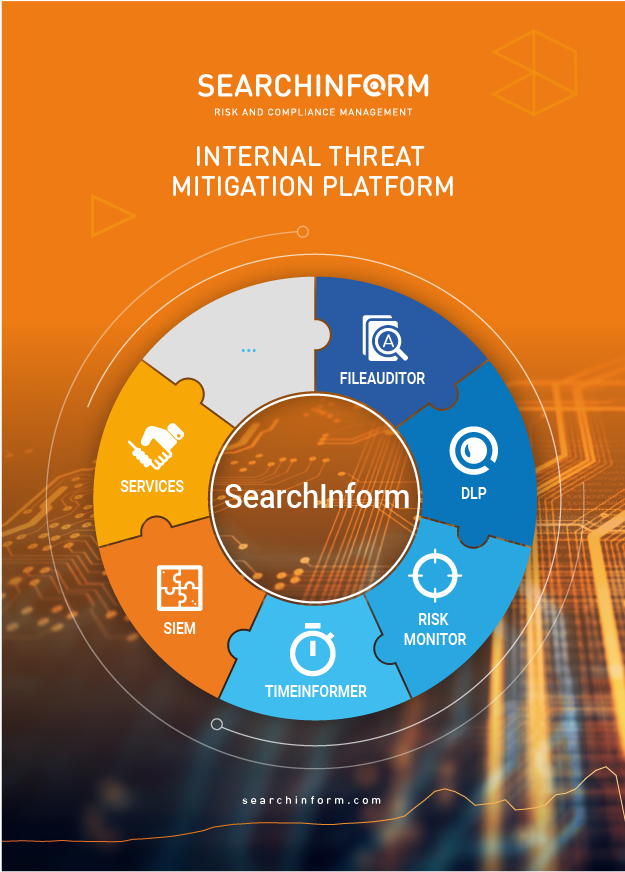
In the complex landscape of cybersecurity, having a robust Data Loss Prevention (DLP) strategy is critical. SearchInform, a leader in DLP solutions, offers a comprehensive suite of tools designed to safeguard sensitive information and protect against data breaches. Here’s how SearchInform can enhance your organization's security posture across various facets of network security.
Comprehensive Data Loss Prevention
SearchInform's DLP solutions are engineered to protect sensitive data from unauthorized access and leakage. These solutions provide multiple layers of security, ensuring that your critical information remains safe.
Advanced Monitoring and Control
SearchInform DLP offers real-time monitoring and control over data movement within and outside your organization. By implementing stringent policies and continuous monitoring, the solution detects and prevents unauthorized data transfers, mitigating the risk of data breaches.
Content Inspection
With deep content inspection capabilities, SearchInform’s DLP solutions analyze data at a granular level. This allows the system to identify and categorize sensitive information accurately, ensuring that critical data is always protected, regardless of its format or location.
Incident Detection and Response
One of the key challenges in cybersecurity is detecting and responding to incidents promptly. SearchInform provides tools that enhance your ability to identify and mitigate threats quickly.
Automated Alerts and Notifications
SearchInform’s incident detection system generates automated alerts and notifications when suspicious activities are detected. This proactive approach ensures that potential threats are addressed before they can cause significant damage.
Comprehensive Incident Reporting
Detailed incident reporting features provide insights into security events, helping your team understand the nature and scope of incidents. These reports facilitate a swift and effective response, minimizing the impact of security breaches.
Enhancing Network Security
SearchInform’s solutions are designed to integrate seamlessly with your existing network infrastructure, providing enhanced security across all endpoints.
Integration with Types of Firewalls
SearchInform’s tools complement various types of firewalls, including traditional, next-generation, and cloud firewalls. By integrating with your firewall systems, SearchInform enhances your network's ability to detect and prevent unauthorized access and data exfiltration.
Endpoint Security
SearchInform extends its security capabilities to endpoint devices, ensuring that laptops, desktops, and mobile devices are protected against threats. This comprehensive coverage is crucial in today’s remote and mobile work environments.
Financial Data Security
Protecting financial data is paramount for any organization. SearchInform’s solutions are tailored to secure financial information, ensuring compliance with industry regulations and standards.
Data Encryption and Masking
SearchInform provides robust encryption and data masking features to protect financial data at rest and in transit. This ensures that sensitive information remains confidential and secure from unauthorized access.
Regulatory Compliance
With SearchInform, organizations can ensure compliance with financial regulations such as GDPR, PCI DSS, and HIPAA. The solutions help maintain data integrity and confidentiality, avoiding costly fines and reputational damage.
Implementing Data Security Measures
SearchInform assists organizations in implementing effective data security measures, aligning with best practices and industry standards.
Risk Assessment and Management
SearchInform conducts thorough risk assessments to identify potential vulnerabilities in your network. By understanding these risks, organizations can implement targeted security measures to address specific threats.
Employee Training and Awareness
A crucial aspect of data security is employee awareness. SearchInform offers training programs to educate staff on security best practices and the importance of data protection. This helps build a security-conscious culture within the organization.
Conclusion
SearchInform provides a comprehensive suite of solutions designed to enhance your organization’s security posture. By offering advanced DLP, incident detection, network security integration, financial data protection, and effective data security measures, SearchInform helps organizations safeguard their critical information against evolving cyber threats. Embracing SearchInform's robust security solutions ensures that your data remains protected, compliant, and resilient in the face of modern cybersecurity challenges.
Secure your organization's critical data with SearchInform's comprehensive DLP and network security solutions. Contact us today to learn more and schedule a demo to see how we can protect your sensitive information from evolving cyber threats.
Extend the range of addressed challenges with minimum effort

