Blog
Standard DLP is inefficient against insider threats, according to the new research
Standard DLPs which primary concern of is limited by not letting employees send data outside the network aren't efficient
07.10.2019
Blog
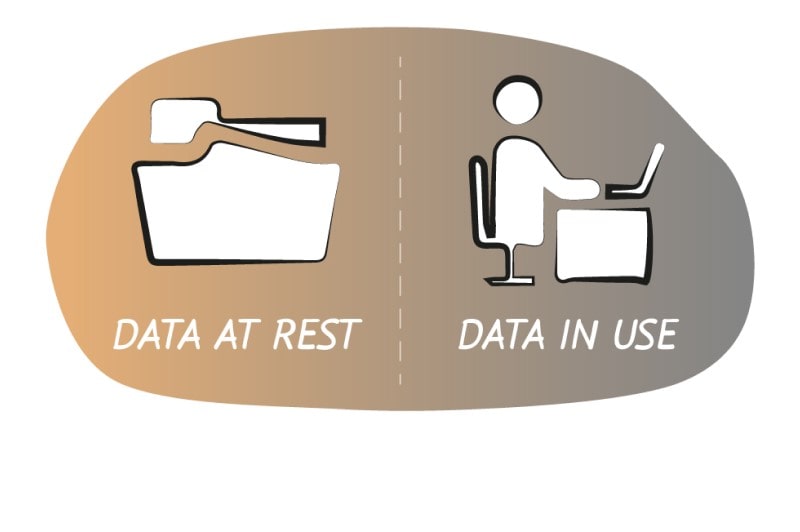
What is data at rest?
Under the conditions of today’s digital climate, sooner or later your information will eventually find its way into the wrong hands.
06.10.2019
Blog
Former Yahoo employee breaches 6000 accounts
A former Yahoo employee was searching for the sexual content of users among who there were his friends and colleagues.
03.10.2019
Blog
Ensure confidentiality while printing documents
According to the recent Shred-it study, negligence represents one of the key reasons for data breaches.
03.10.2019
Blog

Main aspects of information security
Corporate security is not a new phenomenon. What we now understand as corporate security has existed since the emergence of trade. Merchants sought to protect their professional secrets from competitors in order not to lose profits.
02.10.2019
Blog
September highlighted 2019 breach list
Data breaches caused by the very companies which were affected hit the biggest numbers of leaked records
02.10.2019
Blog
DoorDash food delivery service has data of 4.9 million people leaked
4.9 million customers, employees and the company’s independent contractors had their personal data compromised.
27.09.2019
Blog
Half of employees still have access rights that they should no longer have
52% of employees who were reassigned to other jobs still have access to the data which isn’t related to their new tasks.
26.09.2019
Blog

Malindo Air customer databases leaked by a contractor
Reportedly 30 million Malindo Air passengers got their data compromised in a third-party leak.
23.09.2019
Blog
Security risk management assessments
Security risk assessments are performed for the purpose of identifying, evaluating, and prioritizing risks associated with a company’s use and operation of information systems to its operations and assets.
20.09.2019
Blog

Major data leak reveals sensitive details of Russian telecoms
The exposed information on telecoms used for surveillance became public by a Nokia employee.
19.09.2019
Blog
Employee monitoring issues
Business ethics are the contemporary norms, set of values, and principles guiding the actions and behavior of employees at the companies they work for from a legal and moral standpoint.
18.09.2019
Blog

All Ecuador citizens were affected by a recent data breach
More than 16 million people in Ecuador got their data exposed in an online leak
17.09.2019
Blog
UNICEF compromised personal data of 8,253 users
UNICEF online learning portal Agora created an email and sent it to almost 20,000 portal users
12.09.2019
Blog
Employment of friends and relatives
The Sales Department had not been fulfilling a plan for three months. The reasons were unobvious: it was a business season, and there were no issues with the discipline and skills of the employees, but the number of deals has decreased.
10.09.2019
Blog
Detection and mitigation of internal corporate risks
The meaning of risk is the possibility of loss. Thus, what risk management entails is the process of identifying, analyzing, assessing, and prioritizing risk.
07.09.2019
Blog
Risk assessment matrices
With the plethora of risks that accompany running a business, it is much more practical to have everything organized in written form or, better yet, in the form of diagrams for a concrete, concise representation of which risks the company faces as well as the severity of them.
05.09.2019
Blog
One company, one year, 238 breaches
238 data breaches were registered during 2018-2019 at the Countess of Chester Hospital
05.09.2019
Blog
Email monitoring
As much as companies try to foster a culture of positivity in the corporate environment, put all sorts of system limitations in place, and emphasize strict company policy to keep employees from engaging in things they shouldn’t be doing, fraud still goes on, and it is rampant, hence the demand for email monitoring.
04.09.2019
Blog

Two booking services breached customer data
Option Way and Teletext Holidays exposed their clients' data
03.09.2019
Blog

