Blog
What is an insider threat detection program?
Although we all hope that we can trust each of our employees and that it will never happen to us, the truth is that malicious insiders are a relevant risk in today’s corporate world.
10.10.2019
Blog
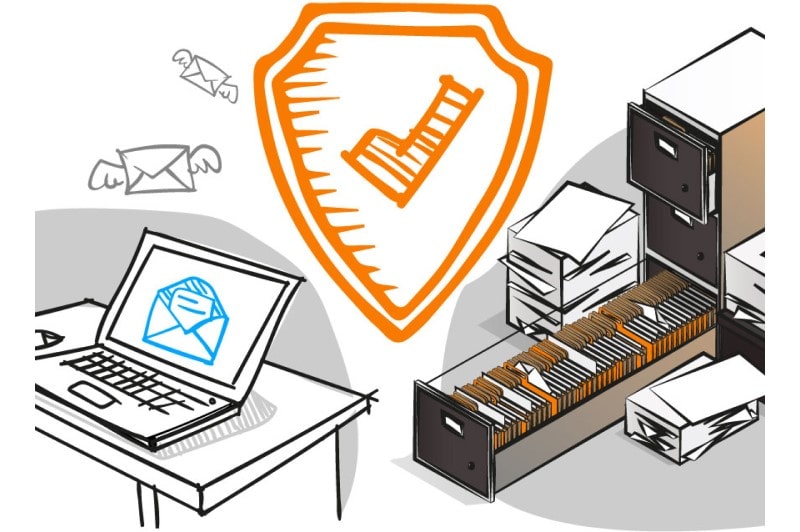
Main aspects of information security
Corporate security is not a new phenomenon. What we now understand as corporate security has existed since the emergence of trade. Merchants sought to protect their professional secrets from competitors in order not to lose profits.
Security risk management assessments
Security risk assessments are performed for the purpose of identifying, evaluating, and prioritizing risks associated with a company’s use and operation of information systems to its operations and assets.
20.09.2019
Blog
Employment of friends and relatives
The Sales Department had not been fulfilling a plan for three months. The reasons were unobvious: it was a business season, and there were no issues with the discipline and skills of the employees, but the number of deals has decreased.
10.09.2019
Blog
Detection and mitigation of internal corporate risks
The meaning of risk is the possibility of loss. Thus, what risk management entails is the process of identifying, analyzing, assessing, and prioritizing risk.
Risk assessment matrices
With the plethora of risks that accompany running a business, it is much more practical to have everything organized in written form or, better yet, in the form of diagrams for a concrete, concise representation of which risks the company faces as well as the severity of them.
05.09.2019
Blog
User behavior analytics
Given the widely known and harnessed power of data analytics, companies utilize all sorts of information on their customers for a variety of purposes. Many use this information to most efficiently allocate their marketing expenses.
22.08.2019
Blog
Fundamentals of IS | Fundamentals of IS. data protection
The founder of cybernetics Norbert Wiener believed that information has the unique characteristics and cannot be described as neither energy nor matter. A special status of information as a phenomenon resulted in a proliferation of definitions.
17.08.2019
Blog
Insider threat statistics
A company having its secrets and confidential information stolen, its funds robbed, or damage caused to it is an ever-present threat that companies may take appropriate measures to avoid.
10.08.2019
Blog
IS Worldwide | The problems of information security in the world
By information security, we mean a set of organizational and technical measures to ensure the protection, integrity, accessibility and manageability of data arrays.

How to digitize human factor
Prevention is the key process of incident management – it is better to discover reasons and sources of a possible security breach than to fight consequences. Potential insiders are not easy to detect, and general data safety approach including basic instruments are not sufficient to reveal a violator.
20.07.2019
Blog
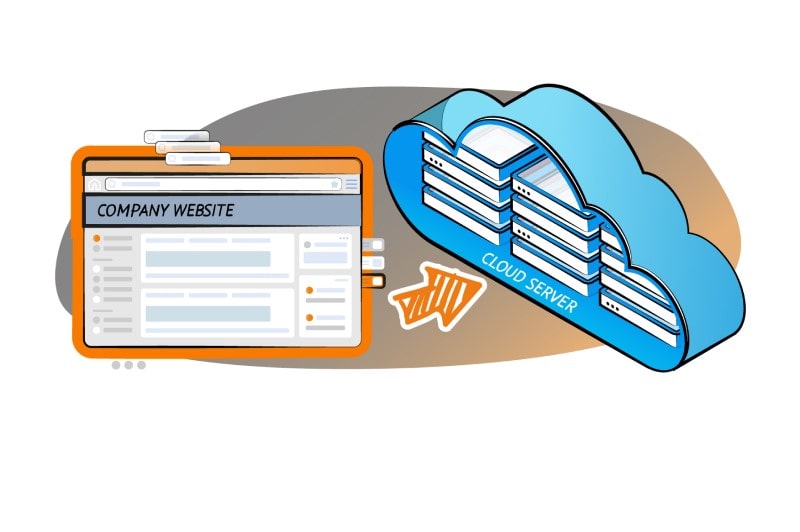
Business continuity
Considering the significant amount of money most people have invested in their businesses, it is important that the full rewards of it can be reaped.
16.07.2019
Blog
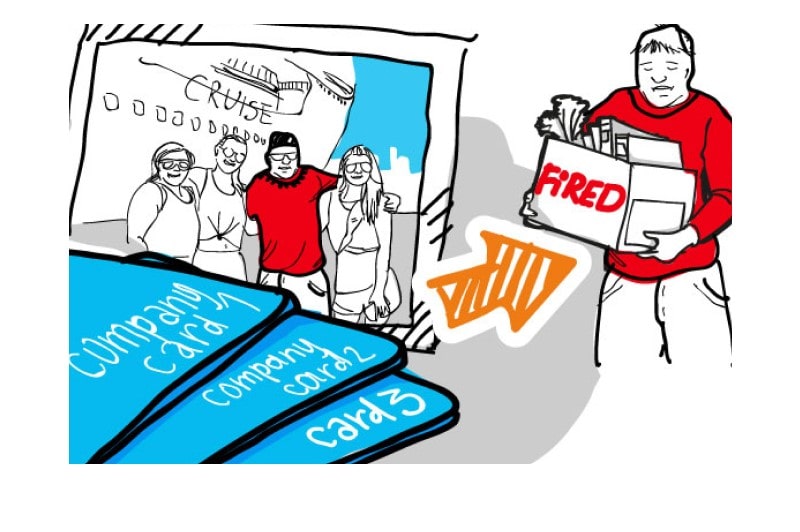
How to Reduce Internal and External Threats to Organizations
With the current state of the global economy and employees feeling ever more pressure, internal security threats are on the rise.
12.06.2019
Blog
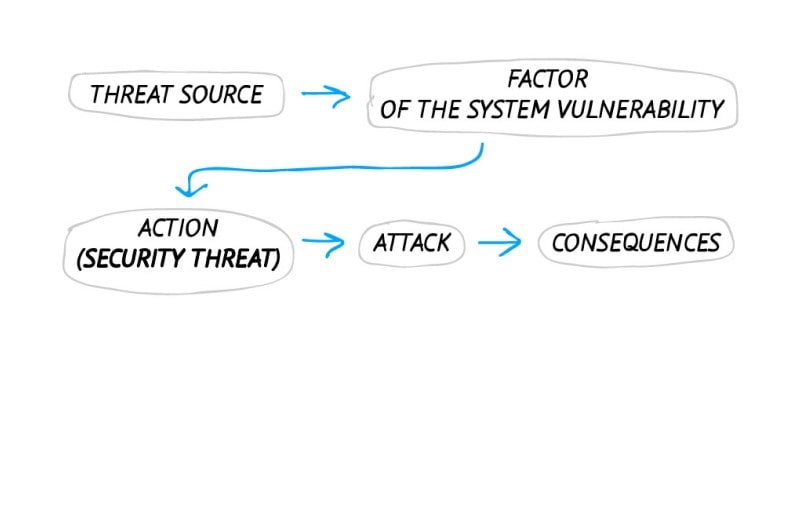
Information Security Threats
Information security in the broadest sense is a combination of means to protect information from accidental or deliberate exposure.
17.05.2019
Blog
Integration of DLP Systems in the company
DLP (Data Leak Prevention) is a comprehensive software product to prevent theft, modification and dissemination of confidential information. DLP-system monitor all the traffic within a protected corporate network.
14.11.2018
Blog
 Subscribe to get helpful articles and white papers.
We discuss industry trends and give advice on how to deal with data leaks and cyber incidents.
Subscribe to get helpful articles and white papers.
We discuss industry trends and give advice on how to deal with data leaks and cyber incidents.
SearchInform products are recognized by


Subscribe to our newsletter and receive a bright and useful tutorial Explaining Information Security in 4 steps!

Subscribe to our newsletter and receive case studies in comics!